
Top 5 Hybrid Power Solutions for Sustainable Energy
Strategies for hybrid power solutions are changing the way energy systems provide reliability and sustainability. By leveraging multiple sources of power generation, such as solar, wind, energy storage, and sometimes backup power, these systems address the variability of power generation while minimizing emissions. In areas where the energy grid is unstable or where energy demand is distant, hybrid power solutions are no longer just an innovation but the best way to achieve sustainable energy.
Why hybrid solutions are key to sustainable energy transitions
Conventional single-source renewable energy systems have intermittency problems. Solar energy does not work at night, and wind energy is intermittent. Hybrid energy solutions address these problems by combining different sources of energy and energy storage.
The study titled Hybrid Renewable Energy Systems, published by IEA-ETSAP, shows that combining renewable sources with storage and backup generation significantly improves system reliability while lowering lifecycle costs. This systems-level efficiency is why hybrid power solution models are increasingly used in both developed and emerging energy markets.
In addition, apart from technical resilience, there is the issue of decarbonization targets, where hybrids contribute by reducing the use of fossil fuels in peaker plants and diesel generators, thereby reducing carbon emissions.
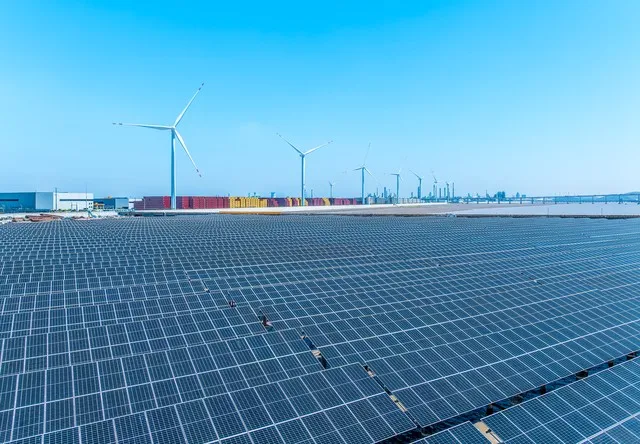
Solar, Wind, Battery Hybrids for Grid Stability
Perhaps the most common hybrid is the solar, wind, battery combination, where each component offsets the variability of the others, such as solar power peaking in the daytime, wind peaking at night or in seasons, while the battery provides the balancing function.
Key advantages of solar–wind–battery systems
- Increased capacity factor due to diverse power sources
- Less curtailment of renewable energy production
- Better regulation of grid frequency and voltage
- Less reliance on fossil fuel-based peaking power
Such systems are most beneficial for islanded or highly renewable-dense power systems, where maintaining stability is essential.
Solar and storage microgrids for energy access
In developing areas, the cost of expanding centralized power grids may be prohibitive. Solar and storage microgrids provide a decentralized solution that can be easily scaled up depending on demand.
The World Bank’s publication Mini Grids for Half a Billion People: Market Outlook and Handbook for Decision Makers shows that hybrid mini-grids combining solar, batteries, and auxiliary generation can deliver reliable electricity to hundreds of millions of people while supporting local economic development. These systems enable productive uses of energy, from irrigation to small manufacturing, transforming rural economies.
Practical applications
- Rural electrification in sub-Saharan Africa and South Asia
- Disaster-resilient power systems for vulnerable areas
- Community-owned energy cooperatives
Hybrid microgrids can also help mitigate fuel price risks, which is a less obvious advantage for poor communities.
Hybrid diesel-renewable power for transitional decarbonization
In many industries, such as mining, construction, and isolated scientific research, diesel generators remain the main source of power. While fully renewable power may not yet be possible due to load fluctuations and extreme environmental conditions, a hybrid system can offer a transitional solution. This can help organizations not only reduce their fuel bills but also their emissions.
Strategic benefits
- Reduced water depletion in drought-prone regions
- Increased overall renewable penetration
- Improved grid flexibility
This configuration is particularly relevant in regions where there is existing hydropower infrastructure and where there is a need to increase renewable capacity without large-scale dam construction.
Biomass-solar Hybrids for Circular Energy Systems
Biomass energy can be produced from organic waste matter or residues from agriculture. Biomass energy can function as a dispatchable energy source.
Sustainability considerations
- Utilizes waste streams, reducing landfill
- Supports local agricultural economies
- Provides predictable generation for critical loads
However, sustainable feedstock management is critical to ensure that the carbon neutrality of biomass is maintained and that the environment is protected.
Implementation challenges and design considerations
Hybrid solutions provide many benefits; however, implementation of these solutions requires consideration of several issues and challenges.
The Food and Agriculture Organization’s report Hybrid Renewable Energy Systems for Rural Electrification shows that aligning system design with local resource conditions and community needs is critical for long-term sustainability and adoption. Projects that fail to account for maintenance capacity or local energy demand often underperform despite strong technical foundations.
Common barriers
- High upfront capital costs
- Lack of technical expertise in remote areas
- Regulatory and policy uncertainties
- Supply chain constraints for storage technologies
To overcome these barriers, there is a need to provide support through policies and finance mechanisms.
The future of hybrid power solutions
Hybrid systems are also advancing rapidly with declining battery costs and improving digital control technologies. With advanced energy management systems, generation and storage are optimized in real-time to ensure maximum efficiency with minimum wastage.
The emerging trends in hybrid systems are:
- AI-based predictive energy management
- Vehicle-to-grid integration
- Hybrid systems for hydrogen production
- Modular designs for rapid deployment
As the energy sector continues to become more decentralized, the hybrid system will become the norm rather than the exception.
Turning hybrid potential into sustainable reality
In the domain of hybrid power solution strategies, the path towards sustainable energy is pragmatic, reliable, cost-effective, and environmentally friendly. Microgrids, industrial hybridization, and hydro-solar systems are examples of the effectiveness of the flexibility that is the cornerstone of modern energy systems.
For governments, the next step is the creation of an enabling framework that facilitates the deployment of sustainable energy systems. For businesses, the next step is the evaluation of the local resource conditions, where hybrid systems can be implemented in the form of pilots, depending on the needs of the businesses, in the path towards the creation of sustainable energy systems.