
What Are the Pros and Cons of Battery Energy Storage?
Battery energy storage has gone from being a novelty approach to energy storage into becoming a critical element of contemporary energy storage methods. With increased adoption of solar energy and fluctuations in energy consumption, both household and commercial users have begun to ask themselves whether investing in battery energy storage makes sense.
On the face of it, the concept behind battery energy storage is straightforward. In essence, energy storage refers to the storing of energy that can be used at a later point in time. This energy could be generated through solar energy, the grid, or wind energy, among others.
However, as much as there are many benefits to adopting this type of energy storage, there are also drawbacks that should be taken into account.
How Battery Energy Storage Systems Work
The battery storage system for electrical energy captures electrical energy and converts it to chemical energy. Once there is an increase in electrical energy demands, the stored energy is released to power.
A battery energy storage system is made up of:
- Rechargeable batteries
- Inverter systems
- Energy management software
- Monitoring and safety controls
Solar energy batteries are the most common form of use for residential homes. While the sun’s energy is being harvested by the panels during the daytime, any energy that cannot be used is stored by the battery instead of being exported to the grid.
This sounds like a simple concept to implement; however, a few factors must be considered in this process.
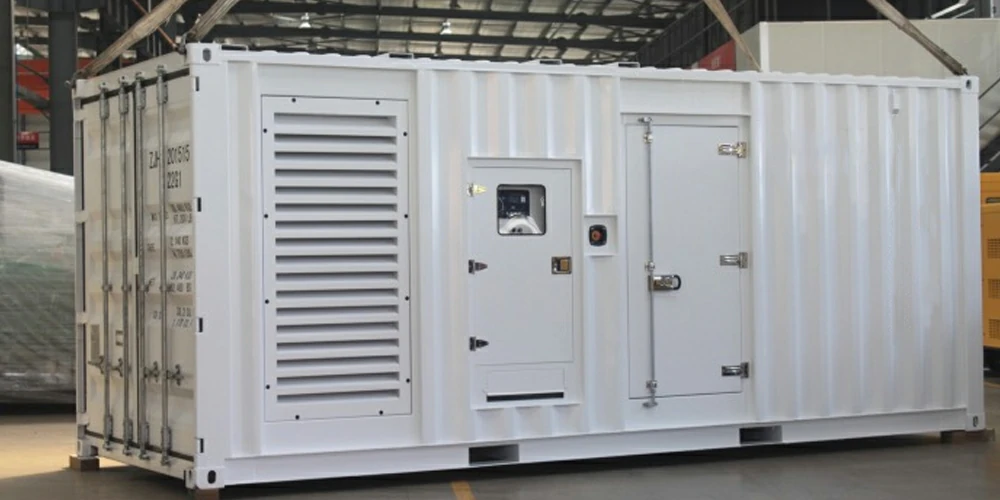
The Main Advantages of Battery Energy Storage
Energy Independence and Backup Power
Energy storage with batteries leads to improved energy independence. A battery gives less dependency on the electric grid system since the consumer will not depend fully on the grid. Such reliance becomes extremely important during power outages and other similar situations.
It is especially significant for people living in areas that experience outages regularly. For such individuals, battery storage helps continue the operation of essential equipment, like refrigerators, light sources, and communication devices.
Such benefit also appeals to businesses that cannot afford any disruptions in their work. Business owners prefer uninterrupted access to electricity because power outages result in losses for businesses.
More Effective Utilization of Solar Energy
One of the main drawbacks of solar panels is that they operate only in daylight hours. Therefore, there is a need to find a way how to solve this issue.
By combining solar panels and battery storage, consumers do not need to export surplus energy during sunny days and then purchase it later. On the contrary, consumers can utilize stored energy.
Peak Shaving and Lower Electricity Bills
Electricity tariffs can vary from one point in time to another within the day. Power providers often have higher tariffs for times when power consumption is high.
Benefits of Battery Energy Storage include:
- Using cheaper electricity
- Using stored electricity at times of high tariffs
- Lowering total costs of electricity use
This technique is called peak shaving, and it is particularly helpful in industrial buildings. Some industries find significant savings on demand charges through the use of battery storage systems.
Grid Stability and Renewable Energy Supply
The use of battery energy storage is crucial in modern times. This is because of the growing adoption of renewable energy technologies that lead to fluctuating energy supply.
The International Energy Agency’s publication Batteries and Secure Energy Transitions shows that battery storage helps balance supply and demand, stabilize electricity grids, and enable higher shares of renewable energy in power systems.
It shows that battery energy storage not only serves the benefit of individuals but plays an important role in the energy transition process.
The Major Drawbacks of Battery Energy Storage
Although there are numerous advantages, battery energy storage is not the solution in all situations due to a few reasons.
High Initial Investment
The biggest drawback of energy storage from batteries is the cost aspect associated with it.
These costs consist of:
- Battery units
- Invertersystems
- Installation charges
- Upgrades to electrical wiring
- Permittingand inspection
Although there has been a reduction in costs over the past decade, installing batteries is still expensive and requires a substantial initial investment. For instance, it might take 7-12 years to recover your initial cost based on your local electricity rates.
For some, the above recovery time is too long to invest.
Limited Lifespan
The battery energy storage system deteriorates over time, reducing the total capacity with each charging cycle.
A typical lifespan of a lithium-ion battery is:
10-15 years for domestic application
3,000 to 7,000 charging cycles
Capacity gradually diminishes over time
Eventually, the battery reaches its end-of-life stage and needs replacement. The cost of replacement is essential when estimating long-term savings.
Unlike solar panels that usually last up to 25 years, batteries need replacement more frequently. This has implications on their financial feasibility.
Energy Loss During Battery Storage
Energy loss occurs during both charging and discharging.
Typical round-trip efficiency:
- Lithium-ion batteries: 85-95%
- Overall system efficiency: slightly less efficient
You don’t get back all the stored energy. Despite being relatively insignificant, the efficiency loss is important.
Space and Installation Constraints
However, there is always a need for installation space in the case of batteries. These include:
- Garage walls
- Utility rooms
- Outdoor facilities
It should be noted that not all houses/buildings will have appropriate spaces for battery storage. In addition, there may be safety guidelines, ventilation requirements, and other limitations related to the installation process.
Similar issues may be faced in commercial settings as well.
When Does It Make Sense to Pair Solar Power with Battery Storage?
Pairing battery energy storage with solar energy gives the most sense. Nevertheless, the use of batteries may be profitable under certain circumstances.
In particular, the following factors speak in favor of installing battery storage:
- Wide variations in electricity prices
- Restricted net metering
- Frequent power outages
- Excessive generation by solar systems
- Need for long-term energy independence
On the contrary, there are reasons why it does not pay off to install battery storage. They include:
- Low electricity rates
- Good net metering
- Absence of power outages
- Small-sized solar system
These factors significantly influence return on investment.
Battery Energy Storage System Types
All battery energy storage systems are not created equal. They can be divided into:
Lithium-Ion Batteries
They dominate the market because:
- Of high energy density
- High lifespan
- Of high efficiency
- Due to their compactness
They find application in residential and commercial settings.
Lead-Acid Batteries
Less popular, although not uncommon, due to:
- Lower initial cost
- Lower lifespan
- Of low efficiency
- Due to their larger physical presence
Such types are rarely used in modern solar storage units.
Novel Battery Technologies
Other battery technologies that are under development are:
- Solid-state batteries
- Flow batteries
- Sodium-ion batteries
These innovations promise better safety, cost efficiency, and lifespan, but are currently underrepresented on the market.
Are Battery Energy Storage Systems Worth It?
This decision will depend on your objectives.
A battery storage system is worthwhile if you:
- Need backup energy sources
- Have solar panels
- Pay high electricity prices
- Suffer from regular blackouts
- Need energy independence
It may be less compelling if your primary goal is short-term cost savings.
In many cases, battery storage is less about immediate financial return and more about resilience, reliability, and long-term energy strategy.
Weighing the Pros and Cons Carefully
Battery energy storage is an advantage, which includes increased energy self-sufficiency, more effective use of solar power systems, and higher grid stability. However, the initial cost, relatively short lifespan, and low efficiency should not be overlooked.
Prior to making any decisions, consider your consumption rate, the rates from your utility provider, and the frequency of power outages, among other factors. The installation of batteries may prove to be highly beneficial for some individuals, while others might want to wait until the price decreases even more.
If you have planned on installing a solar panel, then the decision to install batteries will be relatively easy. If not, the calculations become slightly more complex.